


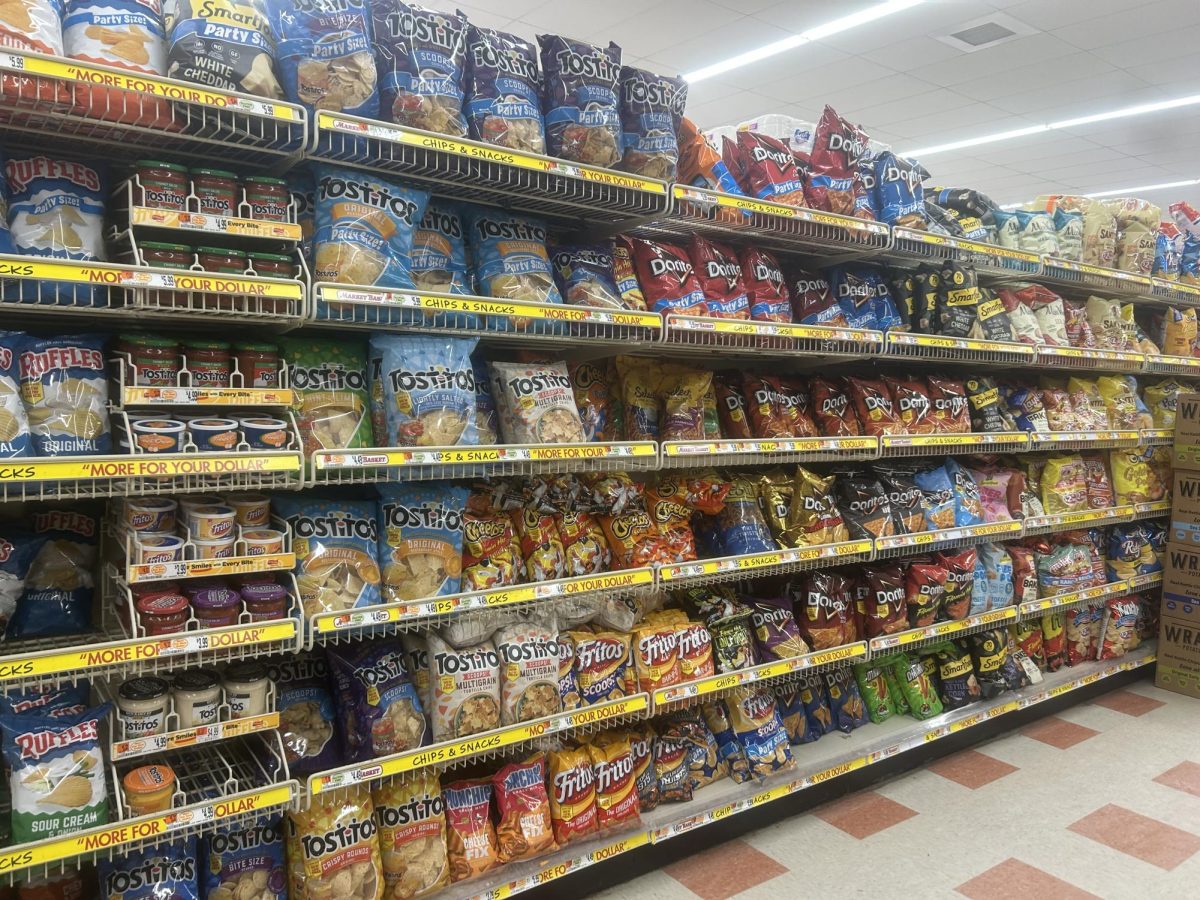




















Walk through any grocery store aisle or look at any school vending machine and you’ll see the same pattern: brightly colored packages, sugary drinks, high sodium snacks, and quick “meals” designed for convenience. Junk food and heavily processed products have become a normal part of everyday life in the United States. While they may be cheap, fast, and appealing at first, their impact goes beyond that as America’s health is becoming harder to ignore.
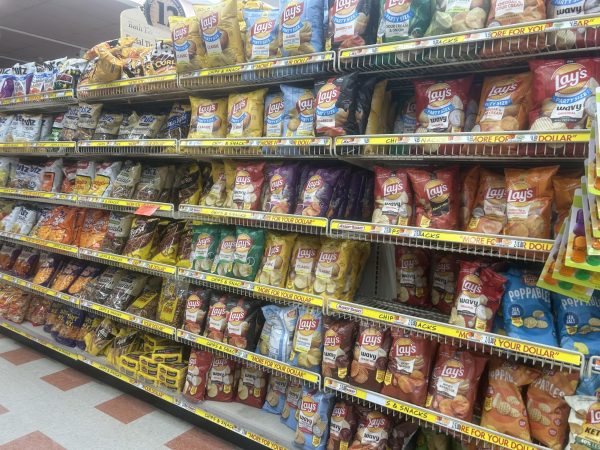
The American diet today includes more ultra-processed foods than ever before. These foods are often high in added sugar, sodium, and unhealthy fats, and low in nutrients the body actually needs. Chips, fast-food, packaged pastries and energy drinks are all designed to taste good. They may last long on shelves, but that doesn’t support your long-term health.
Some leaders of major food and drink companies have said they limit how often their own children consume their products. For example, Indra Noovi, former CEO of Pepsi Co, said she did not keep much soda at home and encouraged her children to drink healthier options instead of drinks like Pepsi.
Duke University School of Medicine suggested kids should avoid regularly drinking sugary drinks and should treat them as occasional treats rather than for everyday consumption. Soda, fast food, and sugary snacks are fine occasionally, but even the companies that sell them know they should not be everyday foods.
According to data from the Centers for Disease Control and Prevention, obesity rates in the United States have risen over the past few decades significantly. According to the State Records that recorded obesity rates 42.4% of adults are now classified as obese. Additionally, more than 21% of children and adolescents are affected, showing a major increase in obesity rates compared to past generations.
In 1990, the national adult obesity prevalence increased from approximately 12–19% in less than 40 years. For children, rates have risen from 5%, multiplied rapidly by x4 starting in the late 1990s, early 2000s. Overall today a significant portion of both adults and children are considered overweight or obese This “trend” increases the risk of serious health problems such as type 2 diabetes, heart disease, high blood pressure, and certain cancers that may not be taken into consideration when eating your diet.
Aside from the CDC, health experts from the World Health Organization have warned that diets high in processed foods and sugary beverages are a major contributor to global health issues like type 2 diabetes, high cortisol, high blood pressure, and cancers.
Energy drinks are another growing concern, especially among teens. They are marketed as products that boost focus and performance and many contain large amounts of caffeine. While they may provide a temporary energy spike, they can also lead to crashes, sleep problems, and increased heart rate. Regular consumption may also contribute to weight gain and dependence on caffeine. One may think that these energy drinks are a healthier alternative to sugar drinks due to the lower calories but according to MTE (More Than Energy) “even without sugar, these drinks can have a harmful impact on how your body regulates energy and fat.”
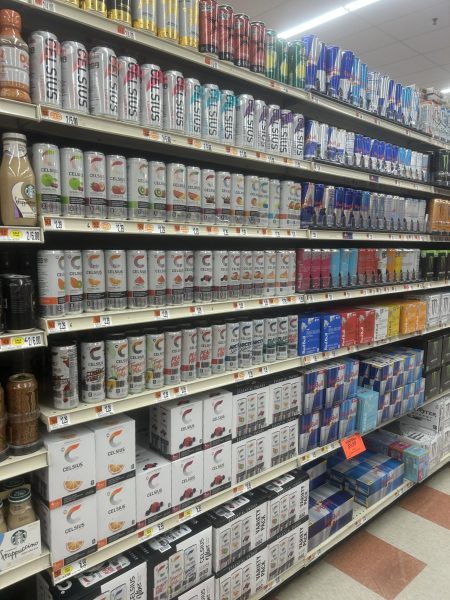
According to MTE, these energy drinks are made with artificial sweeteners such as Sucralose, aspartame, and Ace-K, which many don’t realize. There are many safer alternatives such as natural energy as a swap for fake and processed energy drinks.
Part of the reason junk food is so common is that it is easily accessible. Fast food is often cheaper and easier to find than fresh, healthier options. Busy schedules, advertising aimed at young people, and the convenience of packaged meals all play a role in shaping eating habits.
For many families, choosing healthier foods isn’t just about preference, it can also be about time, cost, and availability. For example, a single mother who works 12 hour shifts might not have the time to make her children a healthy nutritious meal, and might have to rely on processed frozen meals or fast food.
In researching for this article, I interviewed healthcare professional Laura J. Moloney, RN, MSN, who works at Tufts Medical Hospital in Boston, MA. She shared her insights on diet and healthy eating strategies from a medical viewpoint.
“In your experience as a healthcare professional, what health problem do you see the most often that negatively affect people’s diet?”
“From behind the stethoscope I think in this modern day the things that I see the most that are concerning are people walking around with Dunkin’ Donut, Starbucks drinks, when they don’t realize their regular morning intake of coffee with cold foam and caramel drizzle is basically 600 calories of all sugar, no protein, a whole meal made up of nothing.”
“How does regularly eating processed junk food affect the body over time?”
“I think many people don’t realize how the foods they eat is actually reeling in and affecting their future long-term health. A lot of processed junk foods contain ingredients like high-fructose corn syrup, similar to what’s found in some sweetened coffee drinks. Over time the sugar and unhealthy ingredients contribute to the buildup of cholesterol and plaque in the arteries. Think of arteries like pipes, when buildup accumulates, it restricts blood flow which can eventually lead to problems in the vascular system, including high blood pressure, and in more serious cases strokes.”
“What challenges do people face when trying to eat healthy?”
“A big part of it is actually cost. A lot of challenges that people face when trying to eat healthier is the bad food is actually less expensive. For example, a meal that a lot of people love is macaroni and cheese. Macaroni and cheese is about two dollars less expensive than organic macaroni and cheese, which is made up of all natural cheese with no additives. Unfortunately, it actually is more expensive to eat healthier and this is one of the biggest challenges I see in healthcare.”
“What is one piece of most important advice you give patients about nutrition?”
“I think the advice that I would give my patients would be to eat a good diet, eat everything in moderation, and stay active so if that special day does come such as a birthday, you can have the piece of cake and enjoy it, but know every day cannot be made up of sweets, junk food, and coffee filled with sugar.”
”What is one thing people should be considerate of when choosing a meal, snack, drink, etc.”
“Definitely be considerate of the sugar content, carbohydrates, and fat content. Those all play into whether or not what you’re choosing to eat is good for your body. Make sure what you’re eating everyday has healthy unsaturated fats, lean proteins, and fiber-rich carbohydrates.”
“Rethink your drink”-Laura J. Maloney, RN, MSN
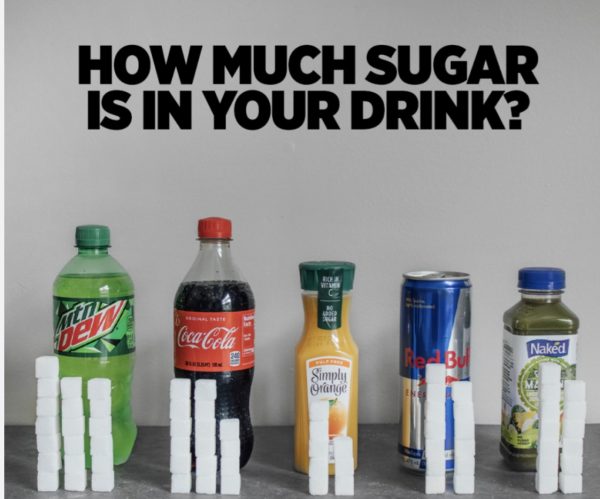
Even though unhealthy eating is normalized, awareness is growing. Schools are improving lunch options, nutrition labels are clearer than in the past, and more people are paying attention to what they eat. Small changes like choosing water over sugary drinks, eating more whole foods, and limiting ultra-processed snacks can make a very meaningful difference over time.
America’s relationship with junk food isn’t going to change overnight, but understanding how processed foods affect health is an important step. As more people talk about nutrition and make informed choices, the future of America’s health could begin to shift just one meal at a time.
Before you buy that bag of chips at the grocery store, put some more thought into what you’re putting into your body. Pull out your phone, glance at the ingredients, how it is made, at that point make sure it seems appealing. The real mystery is how can such harmful products it tastes so good.