





















Since its introduction in 2017, TikTok has grown to become one of the most popular social media platforms in the world, recording around 1.9 billion users globally. Over the years, the app has been used to promote many important causes, such as gender equality, disability awareness, and Black Lives Matter. However, TikTok has also been used as a way to spread very harmful content. #SkinnyTok, which promotes unhealthy eating habits and weight loss, has been gaining popularity since its appearance in 2024. SkinnyTok’s content can be especially harmful for teenagers, as they are incredibly impressionable. Seeing one video that promotes an unrealistic body standard can cause some teens to replicate the lifestyle in their own lives, potentially causing them to develop eating disorders.
After claiming that TikTok was promoting an unhealthy body image and extreme weight loss, many European regulators banned the SkinnyTok hashtag on TikTok. However, this kind of content still hasn’t fully disappeared from TikTok and it is still allowed in the United States. In order for real change to be made regarding SkinnyTok, TikTok users need to be made fully aware of its dangers.
What is #SkinnyTok?
SkinnyTok is a side of TikTok in which achieving and maintaining extreme thinness is prioritized. The ways in which to achieve this unrealistic and unhealthy body are disguised as health advice. Many creators posting under this hashtag create videos of workout routines, videos of what they eat in a day, modified recipe videos, and transformation timelines of their weight loss journey.
A female CCHS sophomore reported seeing videos in which “diets telling [people] to eat once a day, and crazy workout routines to keep up [one’s] figure” are promoted. Another female CCHS sophomore claimed that “although [they] didn’t see SkinnyTok videos frequently, the videos [they] saw stuck with them.”
These videos may seem harmless at first, but after looking deeper, one realizes that they create the idea that one’s value as a person is reliant on what their body looks like. A simple workout video may subtly pressure its viewers to over-exercise, and a “what I eat in a day” video could create the idea that those who eat “too much” have less value than those who nearly starve themselves.
Who is Most at Risk?

SkinnyTok’s target audience is young women, making them most at risk of being affected by its harmful message. Many teenage girls are obsessed with fitting the “beauty standard” perfectly, and in this day and age, the “beauty standard” consists of being extremely skinny, having perfect skin, and perfect facial features. SkinnyTok creators take advantage of insecure girls, and plant the idea in their heads that they will only ever be beautiful if they are skinny. This can cause young women to feel as though in order to be pretty, they have to over-exercise, watch their calorie intake, and skip meals.
SkinnyTok can also affect the self-esteem of young women, making them feel insecure about their bodies. Seeing content that promotes unrealistic bodies can cause girls who have lower confidence to feel inadequate, and become self-conscious of how they look. This insecurity about their bodies can lead to them developing eating disorders.
Those who are already struggling with eating disorders, or who have struggled with eating disorders in the past are even more at risk of being affected by SkinnyTok. If these people are constantly seeing extreme skinniness be promoted, it could cause their condition to be worsened, or for them to relapse.
Perfectionists and people with anxiety are also susceptible to the harmful messages spread through SkinnyTok. Others with certain mindsets may already have negative thoughts about themselves, and seeing content that promotes an unrealistic body image can validate some of these thoughts. For example, they may start to believe that in order to be the best they can be, they have to lose an unhealthy amount of weight, possibly leading to them developing an eating disorder.
#SkinnyTok’s Main Message: Personal Worth Is Body Type
One of the biggest messages sent through #SkinnyTok is the correlation between body type and personal value. Many SkinnyTok creators spread the idea that when a person is skinny, everything is better. This can cause people who may be unhappy with their lives to feel as though losing weight would cause them to experience an improvement in their quality of life.
The idea that becoming skinnier also increases a person’s success, beauty, and moral integrity is also spread through SkinnyTok. These ideas can cause people to think that because they are not skinny enough, they are never going to be successful, beautiful, or a good person.
SkinnyTok also creates the idea that videos posted promoting unhealthy eating habits and weight loss are normal and are what is popular. If young, impressionable adolescents are constantly fed the idea that unhealthy eating habits are normalized, they will feel that they are outsiders because they aren’t joining in on “the trend”. This need to fit in can also cause teenagers to develop eating disorders.
How to Navigate SkinnyTok
SkinnyTok can be very difficult to navigate, especially considering that its content is usually promoted as being healthy. When it comes to nutrition, there are many gray areas, which SkinnyTok creators are eager to take advantage of.
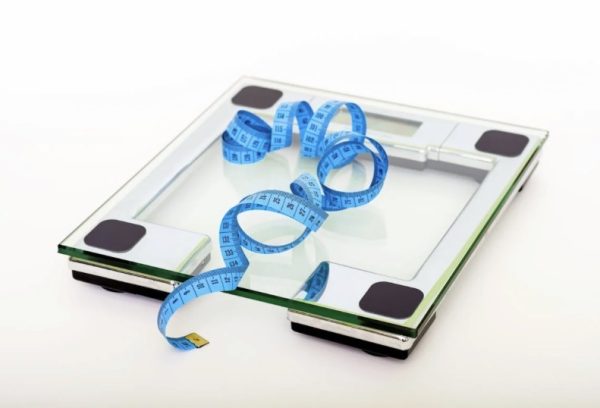
A way to guard against SkinnyTok is to approach all content that one sees with a critical eye. Instead of just mindlessly believing whatever a video says, one should use their critical thinking in order to determine whether the content of a video is healthy or unhealthy and true or untrue.
Another way to guard against the harmful effects of SkinnyTok is to follow creators that promote body positivity and self love. Watching this kind of content can cause viewers to become more comfortable with their bodies and not feel as though they need to change anything about themselves in order to be pretty or perfect.
Conclusion
Although TikTok has been known to promote many positive movements, it has also been used as a way to spread harmful messages to its viewers. The promotion of unhealthy eating habits and weight loss are one of, if not the worst thing to come out of TikTok.
However, there are many ways to guard against the harmful body image content spread on TikTok. But, the best way for social media users to avoid harmful weight loss content is to be aware of what it is. In order to protect TikTok users from this damaging content, more attention needs to be brought to the dangers of SkinnyTok. According to a student at Central, “if people are aware of the negative effects of SkinnyTok, things can be done to guard against them”.
If you or someone you know is struggling with an eating disorder, talk to a trusted adult, confide in a close friend, or call 1-866-662-1235 to get in touch with the National Alliance for Eating Disorders Helpline.