






















Introduction
As the school year is coming to a close, high school students are daydreaming about summer vacation and all that comes with it: going to the beach, parties, hanging out with friends, and more. However, there is one obstacle that stands between them and summer: final exams.
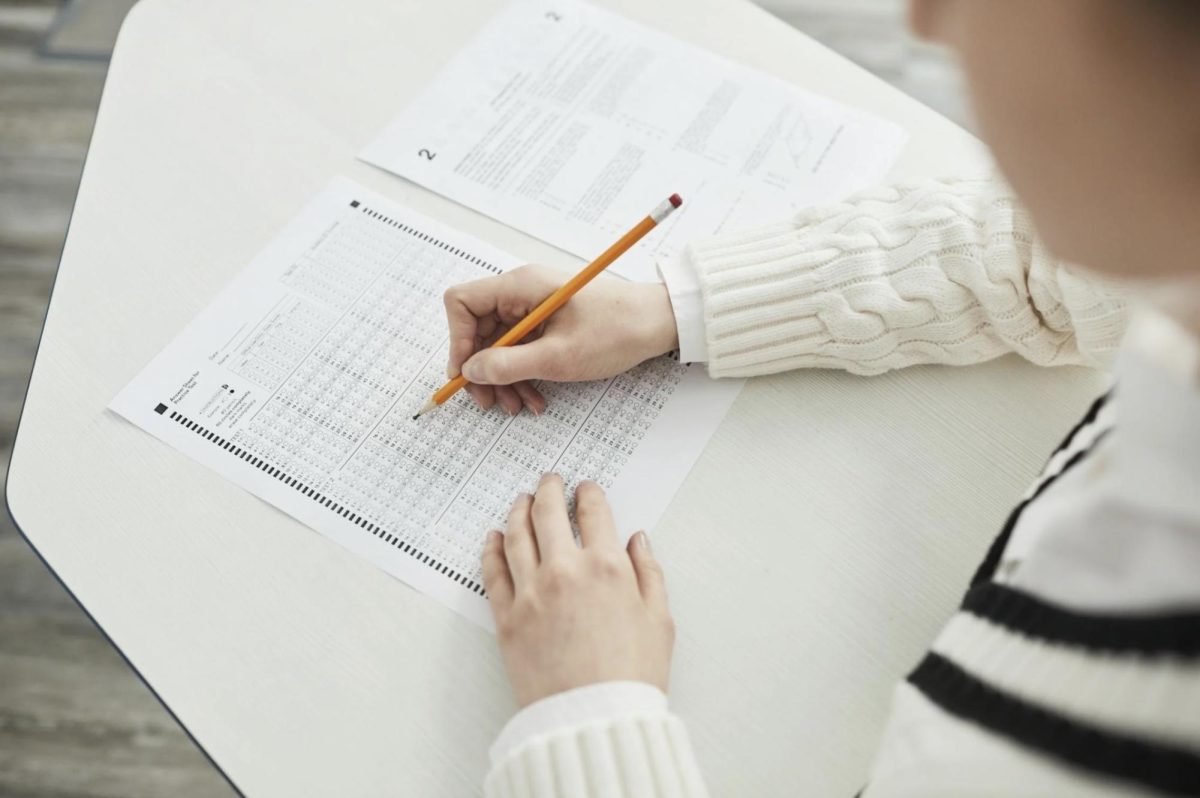
The majority of high school students across the United States take final exams at the end of the school year in each of their core classes. These tests serve as a way to assess a student’s understanding of some of, or all of, the topics covered in a specific class throughout the year.
Many argue that final exams have numerous benefits for high school students, as they can prepare them for college, help them develop stress management skills, and cause them to foster friendships with their peers.
However, others contend that final exams are detrimental rather than advantageous to high school students. According to these people, final exams cause students unhealthy stress, are unfair to students that are not adept at test-taking, and only help students build their short term memory.
These differing opinions regarding final exams have caused a nationwide debate as to whether or not final exams should be implemented in American high schools.
Benefits
Taking final exams in high school can help students develop good study habits. According to an article from Excelsior University, in order for students to succeed on their final exams, they have to study effectively. Taking final exams in high school can give students the chance to create study habits that will set them up for success on their exams, and in the future. Furthermore, according to a Central Catholic sophomore, preparing for finals helped her figure out “the study methods that worked best for [her] in each subject.”
Additionally, according to Deborah J. Cohan, who is a professor of sociology at University of South Carolina-Beaufort, taking finals in high school can help students learn how to manage stressful situations. During finals season, students often feel very stressed, as they are under a lot of pressure to perform well on their exams. Although being in a stressful situation every finals season isn’t ideal, it teaches students how to control their anxiety. Furthermore, the pressure to succeed on exams can translate into success in other high stakes situations.

Also, since all students taking a particular course have to take its final exam, it can form a sense of familiarity between peers. In order to prepare for these tests, students often organize study groups, in which they quiz each other, share notes, and create study guides. These groups foster teamwork between students taking a certain class.
Moreover, students collaborating with their peers to study can help to relieve the stress associated with final exams. Knowing that other students are in the same boat as them can cause a student to enjoy the studying process rather than dread it.
Downsides

Although final exams can benefit students, they can also negatively affect them. The pressure to produce successful results on final exams can cause students to feel incredibly stressed, and can place them in a state of emotional instability. This can cause high school students to experience intense mental exhaustion.
The stress associated with final exams can also cause students to experience physical exhaustion. In order to prepare for these tests, many students pull all night study sessions, leaving them with a lack of energy in the morning. A CCHS junior stated that the weekend leading up to finals week, she “stayed up both Saturday and Sunday night in order to relearn all of the material [she] needed to know for the final”.
Additionally, physical exhaustion in students that drive themselves to school can be dangerous. In the United States, 75% of high school students above the age of sixteen drive themselves to school. If these students are pulling all-nighters to study for finals, it may lead to drowsy driving, which in turn can cause car accidents.
Furthermore, if students are consistently not getting enough sleep and experiencing a large amount of pressure, they may enter a state of burnout, meaning that they will feel mental, emotional, and physical exhaustion. Burnout causes students to feel unmotivated, which can lead to them performing poorly on their exams.
However, some high school students perform poorly on their finals not because of burnout, but due to the fact that they are naturally not good at taking tests. Many intelligent and passionate students ace their classes, but fail their final exams because they aren’t able to memorize a lot of information. Therefore, these tests aren’t necessarily an accurate measure of a student’s understanding of a course.
In order to prepare for final exams, students often cram all of the information they need to know in the days leading up to the test. Although students who use these study methods may know the material they need for the final, they don’t remember it outside of that. Thus, the only knowledge students emerge from their classes with is how to prepare for tests quickly.
Conclusion
Although final exams are implemented in most high schools across the country, they have many negative effects that usually aren’t brought to attention. The preparation process for final exams can have a detrimental effect on students’ mental health and cause them to feel unmotivated. Furthermore, students who are bad test takers tend to perform poorly on these exams, regardless of their understanding of a course. Lastly, students tend to only memorize the material in order to ace the final exam, and forget it all right after taking it.
Still, final exams have proven to be a useful tool in preparing students for college, as it gives them a chance to determine which study methods work best for them in each subject. They also teach students how to manage feelings of anxiety surrounding finals season, which can help them succeed in high stake situations in the future. Additionally, the preparation process for final exams can foster a sense of teamwork between the students in a particular class. They can bond over their shared feelings of nervousness and anxiety, which can cause them to form friendships with their peers.
The benefits and drawbacks of the implementation of final exams in American high schools result in a lack of a specific answer as to whether or not students should have to take these tests. However, as a current student, I believe students should not have to take final exams, as they cause high school students unnecessary stress. I also believe that final exams are not indicative of a student’s overall understanding of a course, making them a faulty tool for determining a student’s abilities.