


















The winter season is filled with cheer: warm fireplaces, snowmen waving hello on the streets, people sipping hot chocolate, and most importantly, celebrations. Everyone gathers around with their family and friends to celebrate important traditions that are near and dear to their hearts. There are many types of celebrations throughout the world, some could even be happening right next door. During the winter months different cultures hold different events, each one is as equally unique and beautiful as the other.
Hanukkah
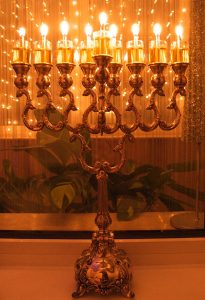
Hanukkah is the Jewish Festival of Lights that lasts eight days, beginning on the twenty-fifth day of Kislev, the Hebrew calendar’s ninth month. Hanukkah celebrates the miracle of a singular day’s worth of olive oil lighting the Temple for eight days straight after the Maccabees defeated King Antiochus. The Hanukkah Menorah has eight branches for candles which represent the miracle of one day’s worth of oil burning for eight days. However, on the menorah, there are nine candles. There are eight for each night and the shamash candle that is used to light all the other ones. During their celebration, people will eat delicious food such as sufganiyot, or deep-fried jelly filled donuts, and latkas, potato pancakes. After they feast, families gather around and play with a dreidel. Depending on their luck, they can win chocolate or coins.
Yaldā
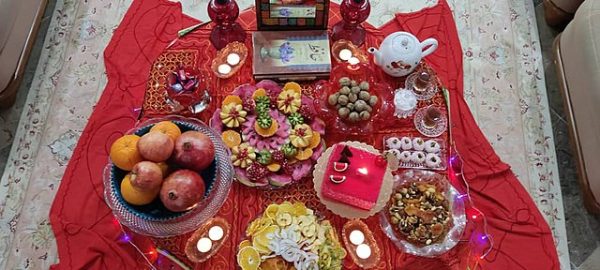
Yaldā is a popular Persian holiday that celebrates the Winter Solstice. According to Iran Culture and Education Center, it “falls around December 21, depending on the astronomical equinox”. In the Persian calendar, it is celebrated during the last day of the month “Azar” (the 9th month in the Persian calendar). It is the longest night of their year. To celebrate, families gather around with elders, tell stories and eat delicious treats. The Yaldā Night celebration focuses on the importance of family, the elderly, and it symbolizes the victory of light or darkness.
Kwanzaa
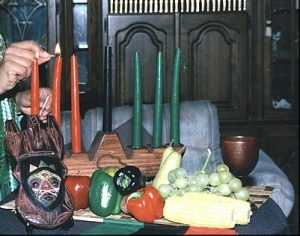
Kwanzaa is a Pan-African and African American holiday where people come together to celebrate family, community, values, history, and culture. There are seven concepts of Kwanzaa. They are: unity, purpose, self determination, creativity, collective work and responsibility, faith, and cooperative economics. According to the National Museum of African American History and Culture “Kwanzaa gets its name from the Swahili phrase, “matunda ya kwanza” and is rooted in first fruit celebrations”. Kwanzaa is celebrated through activities such as, daily candle lightings and reflections.
Ōmisoka
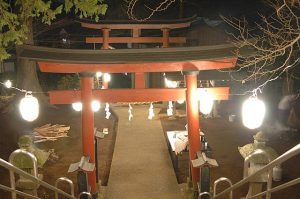
In Japan, Ōmisoka is December 31, the final day of the year. During this end of year celebration, families gather around to spend time together. Oftentimes, they watch special shows and programs on TV. One of the broadcasted events is the ringing of the Buddhist temples bell. According to Sakuraco, the priest will strike the bell 108 times “to mark the transition from the old year to the new”. While participating in these traditions, they eat buckwheat noodles called Toshi-koshi. They hope that these long noodles will symbolize that one’s life will be as long as the noodles. Ōmisoka is only the beginning of their seasonal tradition. The next three days are filled with other different celebrations and events.
Three Kings Day
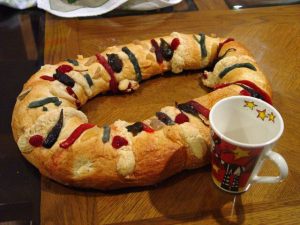
Three Kings Day is celebrated in the Hispanic community that takes place on January 6th, or the 12th day of Christmas. It recognizes the coming of the Three Wise Men (Melchior, Caspar, and Balthazar) and their offerings to baby Jesus. Three Kings Day is often celebrated with many delicious treats. FamilySearch tells of “Rosca de Reyes, a sweet bread with hidden figurines inside”. The figurines inside the desert are said to bestow good luck upon whoever may find it. The baby figurine however, when found, leaves the finder to hold a meal known as Candlemas Day. Other exciting traditions are the parades, gatherings, and gifts. It is common for children to receive three small gifts or one large gift from their families. In order to receive these gifts, children leave out their shoes the night before (January 5th) while they wait for the arrival of small goodies left by the Three Wise Men.
Little Christmas
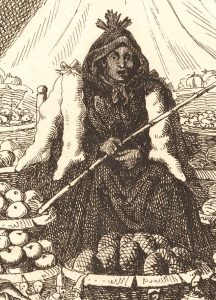
Little Christmas is an Italian Catholic holiday that celebrates the arrival of the Three Wise Men. It takes place on the 12th day of Christmas (January 6). It celebrates the Feast of the Epiphany. Much like the “Santa Clause” figure told to many children, the Italian tradition has the story of a woman named La Befana. According to Italian Sons and Daughters of America, in the story of the Three Wise Men they “approached a friendly woman and asked her to help them find Jesus” but when she turned them down to help look, she suddenly had a change of heart and tried to find these men. It is said that she still flies around on her broom, looking for baby Jesus and the Three Wise Men. The tradition of receiving small gifts on January 6th, celebrated the Three Wise Men but also La Befana leaving small toys for each child she visits.
Decorating Trees
People all over the world take part in decorating their houses according to their local traditions. Some families decorate their trees with fruit, hang up lanterns, or fill their with houses bright and bold colors or neutral with intricate patterns.
Poland
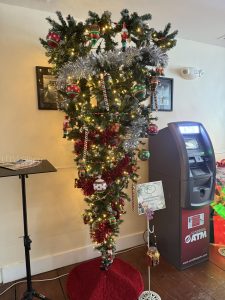
In Poland, it is common that families will not start decorating until December 24th. They spend their time setting up their Christmas tree with the love of their families. Polish families have a unique way of decorating: “in addition to balls, it is decorated with a large number of apples, sweets, nuts wrapped in wrappers…”. Another exciting tradition is the twelve dish meal that symbolizes the twelve months of the year and the amount of apostles. During this dinner, the majority of Poles sing Christmas Carols.
India
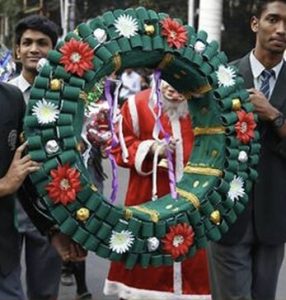
Festivals are a frequent sight in India. Although a minority in India, Christians decorate with brightly colored lights, paper streamers, poinsettia flowers, and candles. However, instead of a “traditional” pine tree, they use a different type of tree. World Holiday Traditions explains the insights of decorating “banana or mango trees with lights and ornaments. Some families even drape cotton wool over their trees to imitate snow.” For their star toppers, many families use homemade decorations. The stars don’t only go on trees but also the homes. These stars are used to symbolize the Star of Bethlehem. Sometimes, neighborhoods even compete to create the most sophisticated display.
All Around the World
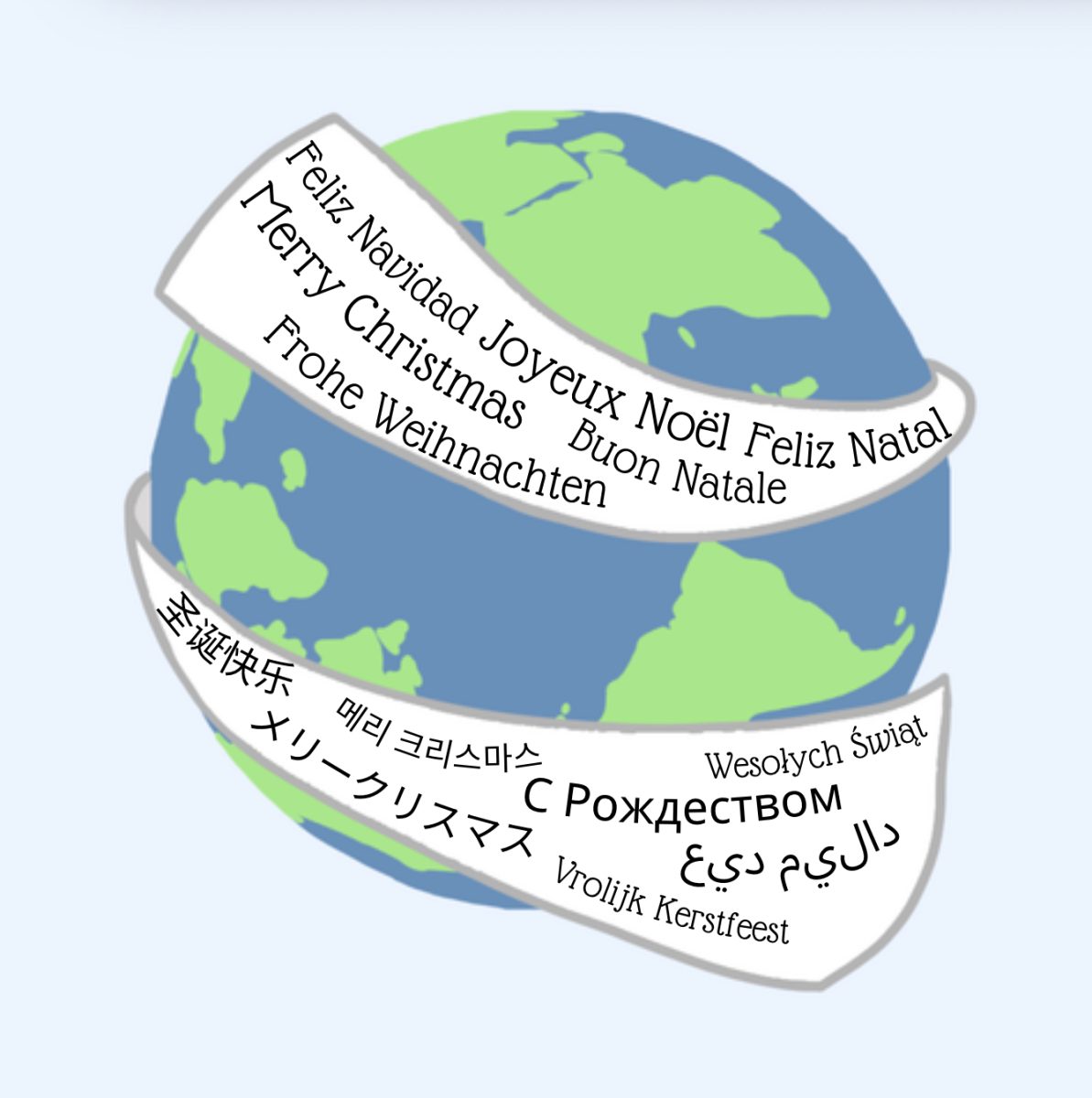
Even though many places around the world celebrate Christmas, they have their own traditions and way of honoring these holidays. It is important to acknowledge the different holidays that people around the world celebrate today. Even kids in your school, sports, or activities, may take part in one of these, or any other, tradition.