














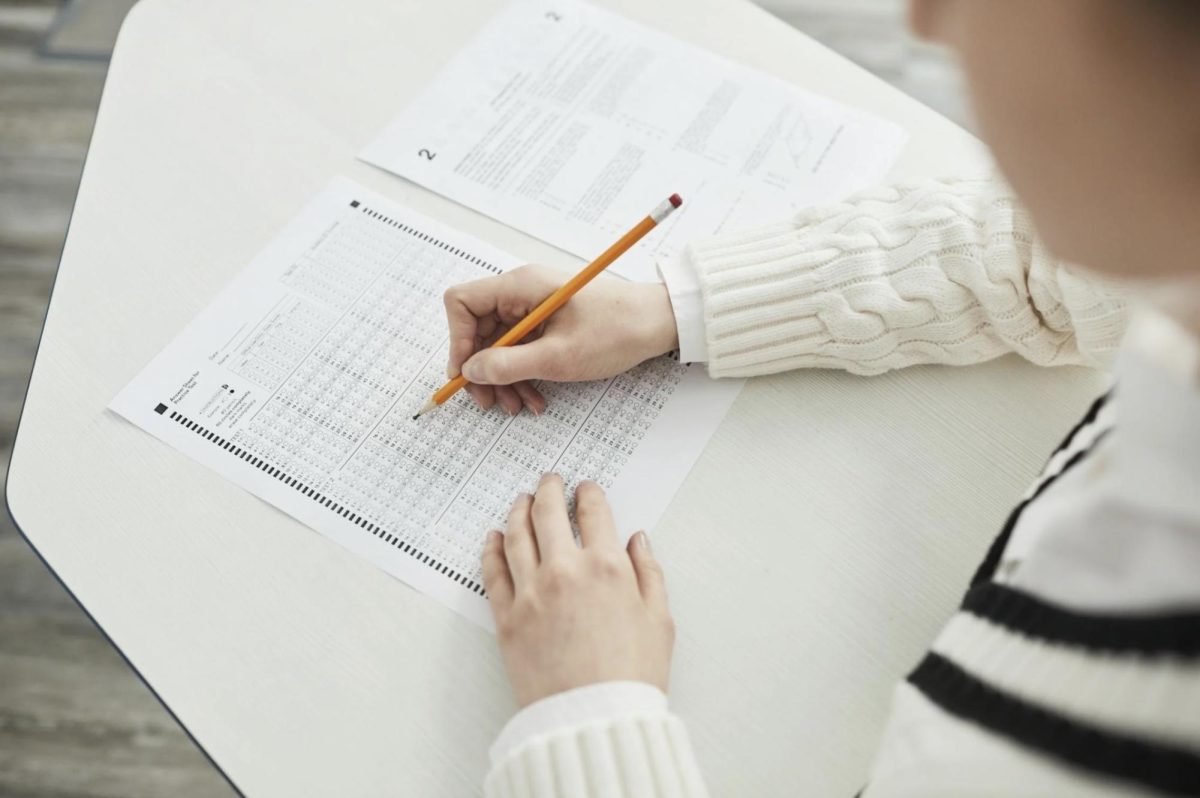



In the United States, we have a “Selective Service System,” which means that when men living in the U.S as citizens turn 18 they must apply to be drafted. The primary reason for this draft is if there were ever to be a scenario where the U.S had to go to war, we would be prepared. However, there are many factors that exempt a person from having to apply. The exemptions include being assigned female at birth, enrolling for full-time active duty in the U.S. Armed Forces, and turning 65. Other exemptions include terminal illness, incarceration, or someone on a visiting worker visa (a non-citizen). But why are women not required to enroll?
Several men and women have challenged the male-only requirement as unconstitutional gender discrimination. There was a 1981 Rostker v.s Goldberg Supreme Court case that had a legal rationale of a 6-3 ruling that women should not be required to apply for the draft. In this case, the court was reviewing the draft, and the court ruled on who must register.
Specifically, the Court said, Congress is allowed to only require only men to register for the draft and that decision does not violate the Fourteenth Amendment. According to other Supreme Court records, not having to do with the Rostker v Goldberg case, it was stated that “the draft’s primary purpose is to provide combat troops, and women are not eligible for combat roles.” Many citizens have considered this statement sexist, because many women are just as capable as men in providing skills to form a strong combat unit.
In addition, the court also stated “the exemption [of women being excluded] is not the accidental byproduct of a traditional way of thinking about women.” This means that the Court is not excluding women from the draft because they think women are not capable, or not as equal but rather challenging the fact women are needed elsewhere. Overall, there was a refusal to further discuss the matter in court confirming the draft is only requiring men to register.
The Americans for Civil Liberties Union reasons contrary to this that “Limiting draft registration to men also devalues the contributions of women who serve in the military.”
The Equal Protection Clause of the 14th Amendment says that states can’t unfairly discriminate against people. It means everyone should be treated equally under the law, regardless of race, gender, or personal characteristics. The most recent Supreme Court ruling was that the male only requirement does not violate the Equal Protection Clause of the 14 Amendment. However, the US Senate approved a measure in June 2024 that would require women to enroll. However, this bill did not get signed into law.
The US military has stated before that they are “having a harder time getting Americans to join the armed forces and Congress weighed some options including making women eligible for the draft.” Many citizens’s think that if the military feels the need for more citizens overall involved in the military, we should implement a gender- neutral draft as a more logical thing to do.
A gender-neutral draft would address the current limitations of the Selective Service System. By including women, the pool of potential recruits broadens significantly, increasing the government’s chances of finding individuals with certain skills needed for military roles. A neutral draft would also lead to a more diverse and adaptable military force, making the U.S force better equipped to handle any challenges. Furthermore, an updated draft would challenge the outdated notion that military service is a male domain, making the armed force more inclusive.
However, there are some cons that would come with implementing a gender-neutral draft that present logistical and ethical challenges. Questions have arisen about if a gender neutral draft would be fair in physical fitness standards and that females have more specific needs than males. Other cons of implementing females in the draft include potential concerns about gender dynamics within military units. This incudes issues related to cohesion and sexual harassment. These challenges are not impossible to overcome, but they require careful consideration and solutions. Thinking back on the fact that other countries that have already adopted gender-neutral conscription, they can provide valuable insights and practices for navigating potential issues.
Ultimately, the decision to maintain the Selective Service System reflects a society’s values and priorities. Continuing with a male-only draft keeps outdated stereotypes going and limits opportunities for women. Embracing a gender-neutral approach would align with the moral principles of equality and inclusivity and enhance national security by utilizing the talents and capabilities of all citizens. As the debate continues, it is essential to consider the long term run for both individuals and the nation as a whole. The military draft should strive for a system that is fair, effective, and representative of the evolving role of women in society.
The role of women has evolved since the Revolutionary War, continuing through the Civil War, the World Wars, Vietnam, Korea, and the Gulf wars. In the early wars, women had roles as nurses, and in more recent decades have participated in wars in many other roles, including combat.
Ms. Ciccolo is a history teacher for sophomores and seniors here at Central Catholic. She was interviewed for a better understanding of questions one might ask while forming an opinion on a possible gender neutral draft.
“How would you say the role of women in the military has evolved?”
Ms. Ciccolo: “The role of women in the battle field goes as far back as the Revolutionary War with nurses and Red Cross help. Women have been engaged in war efforts more and more and until recently women have not been able to be a part of combat, but I think moving forward women aren’t going to be a part of combat roles.” Despite this possible reversal, Ms. Ciccolo believes that “the evolution of women [in the military] over time, has been good.”
Many U.S citizens think that women are not eligible for combat roles. The controversy over women in combat roles was recently reignited with US Secretary of War, Pete Hegseth. In a podcast hosted by Shawn Ryan on November 7, Hegseth said,“I’m straight up just saying we should not have women in combat roles. It hasn’t made us more effective. Hasn’t made us more lethal. Has made fighting more complicated,” he said. Women have a place in the military, he said, just not in special operations, artillery, infantry or armor units.
Ms. Ciccolo was asked her opinion about the past ruling the Rostker v. Goldberg case.
“Do you think keeping women out from being drafted violates the equal protection clause in any way?”
Ms. Ciccolo speculated that the reason society does not allow women to be drafted goes beyond any limitations such as physical strength or unit cohesion: “My guess is the reason for not allowing women to be drafted is much more than that. I think the role of women in society and families plays a much bigger role. If women and men could both be drafted and then something happens [to them], where do the kids go? The role of women as mothers trumps all of the potential for worrying about what is equal.” This is a strong counter argument when considering if women should be drafted or not. The concern here is not about issues with women in the battlefield, or arguing that they should not be in the army, but rather that women also play important roles outside of army units.
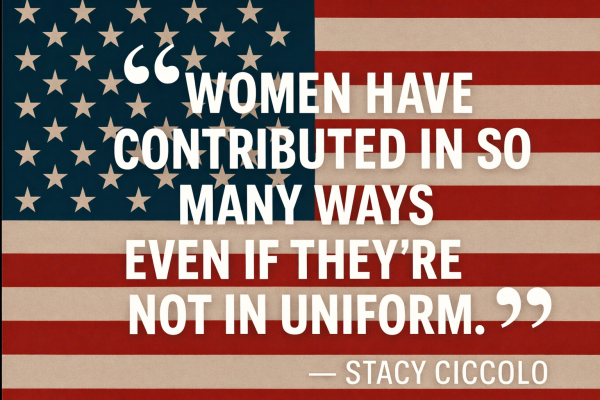
“Do you see any logistical challenges such as physical fitness or gender dynamics in units? Do you think that could be an issue?”
Ms. Ciccolo: “I’m not sure there are physical limitations or anything like that. I don’t think there are any real physical limitations for women that you wouldn’t find in the other gender.” If we were to have a requirement for women to enroll in the draft, “it would likely be really complicated and a big social issue.” In response to the current administration’s positions, she stated that “although this administration has kind of turned the clock back a little bit on equality in the military, I think some women are going to move out of some combat positions and be placed in other areas-maybe still equally as valuable but not as equal in assignments.” In other words, the United States has gone backwards on equality in the military and women are most likely not going to be in combat positions, but women still remain very valuable to the military.
In conclusion, the USA has not implemented a gender neutral draft because women are not capable or eligible to be placed in combat roles. Ms. Ciccolo’s insights suggest it would most likely turn into a social issue if the draft were to change. Considering that we live in a country where we are isolated and only surrounded by two other countries; our army is strong and we mostly will never run into a situation where we’re frantically searching for soldiers. So why are we afraid of a fair draft policy?